Udupi district · Karnataka · Western Ghats

Kollur, the abode of Goddess Mookambika

A serene temple town wrapped in the forests of the Western Ghats. Discover the Sri Mookambika Temple, the sacred Souparnika River and the Kodachadri hills – with everything you need to plan your visit.

Kollur, Karnataka 576220 Temple open daily from 5:00 AM

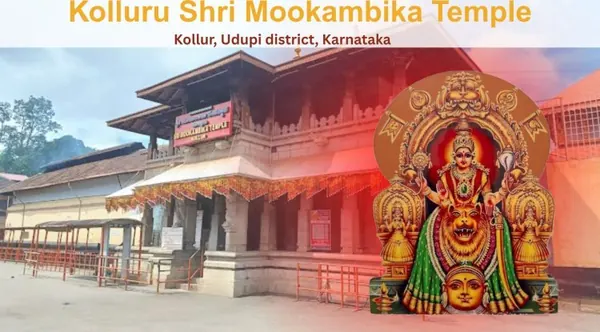
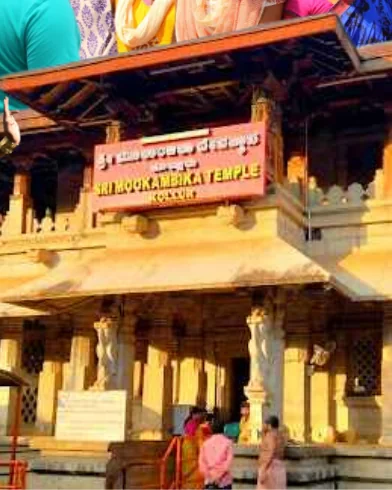
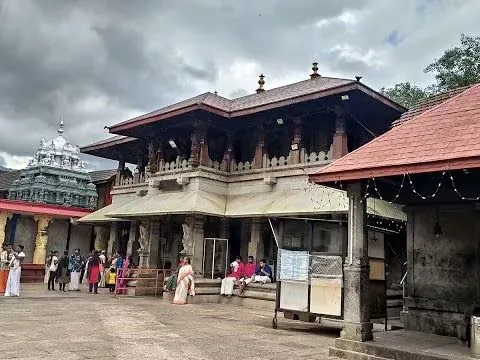
Sri Mookambika Temple in Kollur, Karnataka
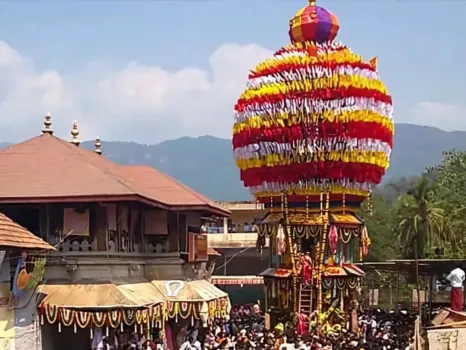
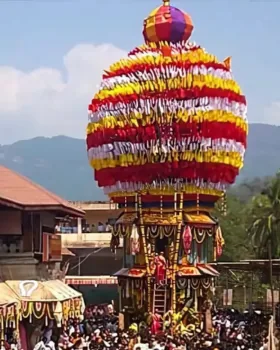
Decorated chariot during the Rathotsava festival in Kollur
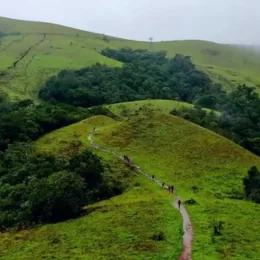
Green slopes of the Kodachadri hills near Kollur

NavaratriThe grandest festival of the year in Kollur

  • Temple hours5:00 AM – 1:30 PMand 3:00 PM – 9:00 PM
  • Best seasonOctober – FebruaryCool, clear and festive
  • Nearest railByndoor · 28 kmKundapura · 40 km
  • Nearest airportMangaluru · 140 kmTaxis and buses to Kollur

Welcome

Introduction to Kollur

Kollur, a serene town in Karnataka, is renowned as a spiritual haven and natural paradise nestled in the lush Western Ghats. It is best known for the Mookambika Temple, a sacred site that attracts devotees from across India, yet the town offers much more than spirituality. Surrounded by dense forests, rolling hills, and the flowing Souparnika River, Kollur is a haven for nature lovers and trekkers heading to the nearby Kodachadri Hills. The region is rich in biodiversity, with scenic waterfalls, wildlife, and panoramic views that change beautifully with the seasons.

Life in Kollur is simple and traditional, with small markets, local eateries, and warm hospitality that reflect the town’s charm. Easily accessible from Udupi, Kundapura, and Mangalore, it remains a peaceful retreat without losing its natural beauty or cultural essence. Visitors come to Kollur not only for worship but also to experience harmony, adventure, and the calming presence of the Western Ghats. In every corner, from the temple’s spiritual energy to the surrounding landscapes, Kollur inspires devotion, reflection, and a deep appreciation for nature.

Faith & heritage

Temple, History & Legend

From ancient dynasties to Adi Shankaracharya’s vision, the story of Kollur is inseparable from the goddess who resides here.

Courtyard and entrance of Sri Mookambika Temple in Kollur

Historical Background of Kollur

Kollur's history is steeped in antiquity, with its origins dating back to ancient times. The region's name is derived from the word "Kol," meaning "peak" or "mountain," referencing its position amidst the verdant Western Ghats. Historical evidence suggests that Kollur has been a significant spiritual and cultural hub for centuries, often under the patronage of local rulers and dynasties. This rich history, filled with intriguing tales, will surely pique the interest of history buffs and curious travellers.

The town's association with various South Indian dynasties, such as the Kadambas, Chalukyas, and Hoysalas, is evident in the region's architectural styles and temple traditions. Kollur's history is also interwoven with mythology, as the Mookambika Temple is believed to have been sanctified by the sage Adi Shankaracharya, who installed the idol of Goddess Mookambika. Despite its evolution over the centuries, Kollur has retained its spiritual charm and attracts pilgrims seeking blessings and solace. Its combination of mythological tales and historical events makes Kollur an intriguing place to explore.
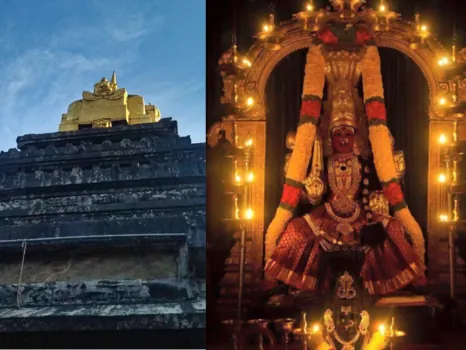
Golden gopuram and the lamp-lit deity at Mookambika Temple, Kollur

Significance of Kollur in Hinduism

Kollur holds immense importance in Hinduism due to the presence of the Mookambika Temple, a shrine dedicated to Goddess Mookambika. This temple is not just a structure but a beacon of hope and inspiration for devotees, especially those from the southern states of Karnataka, Kerala, and Tamil Nadu.

The temple is believed to house a Jyotirlinga, a sacred representation of Lord Shiva and Shakti, symbolizing the union of masculine and feminine energies. This unique attribute makes the shrine a vital centre for tantric and Vedic rituals. Devotees flock to Kollur to seek the goddess' blessings, particularly for wisdom, success, and spiritual growth. Religious festivals celebrated here, such as Navaratri, further enhance Kollur's prominence in Hinduism. These festivals feature elaborate rituals, processions, and cultural programs, drawing thousands of visitors to immerse themselves in the divine atmosphere.

Temple timings, sevas & darshan guide

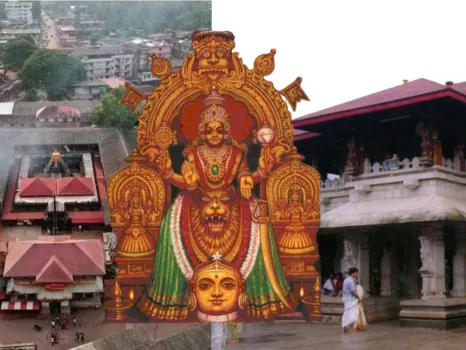
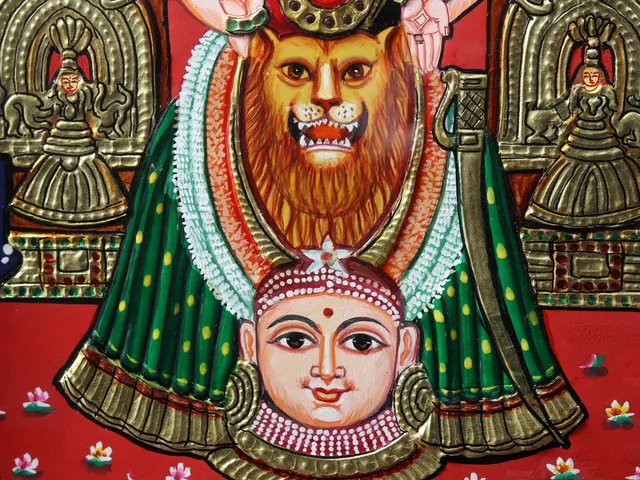
Traditional artwork depicting Goddess Mookambika

The Legend of Goddess Mookambika

The legend of Goddess Mookambika is deeply ingrained in Hindu mythology. According to lore, a demon named Mookasura terrorized the land, disrupting sages' peace and spiritual practices. The goddess, moved by their plight, incarnated to defeat the demon. Her victory restored harmony, and she became revered as Goddess Mookambika.

The presence of the Jyotirlinga in the temple adds to its spiritual significance. It is believed that the Jyotirlinga was created by divine intervention, and the goddess merged her energy with it, making Kollur a powerful spiritual energy centre. Devotees also associate the temple with Sage Adi Shankaracharya, who is said to have had a vision of the goddess and consecrated the idol in the temple. This story solidifies the temple's place as a crucial worship site in Hinduism.

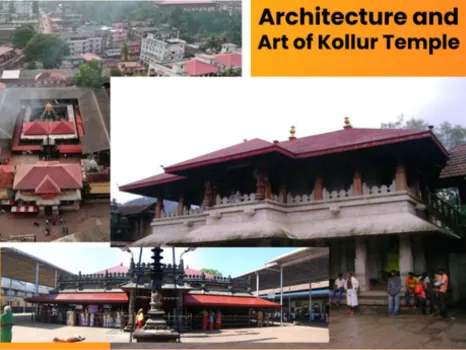
Tiled roofs and pillared halls of the Kollur Mookambika Temple complex

Architecture and Art of Kollur Temple

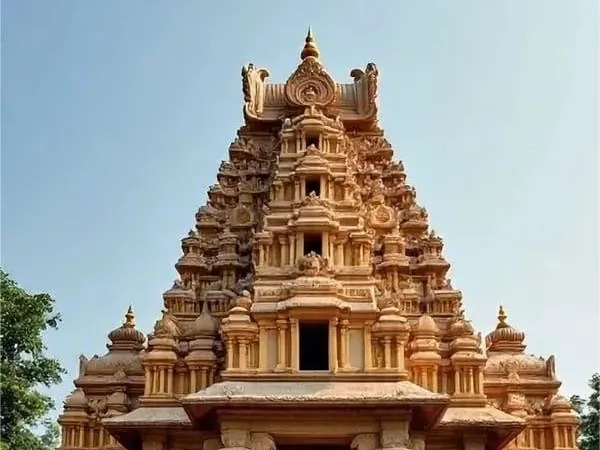
The Kollur Mookambika Temple is a masterpiece of South Indian temple architecture, showcasing the Dravidian style. The structure is characterized by intricately carved pillars, ornate gopurams (tower gateways), and beautifully adorned sanctum sanctorum.

The temple's sculptures and carvings depict various deities, mythological scenes, and intricate patterns that reflect the craftsmanship of ancient artisans. The sanctum, which houses the idol of Goddess Mookambika, is adorned with gold and precious stones, enhancing its divine aura. Over the years, the temple has undergone several renovations, ensuring its preservation and the comfort of the growing number of pilgrims. Despite these changes, the temple retains its traditional charm, making it an architectural marvel.

Idol of Goddess Mookambika with the Kollur temple town behind

Stories and Legends of Kollur

Kollur is a treasure trove of stories and legends that add a mystical aura to its identity. The most famous tale is the legend of Goddess Mookambika's triumph over the demon Mookasura. Beyond this, other anecdotes and myths abound:

  • Adi Shankaracharya's Vision: It is believed that the sage had a divine vision of Goddess Mookambika during his penance in Kollur. The goddess blessed and instructed him to establish her idol in the temple.
  • Sacred Souparnika River: According to legend, the river gets its name from Suparna (Garuda), the celestial bird who meditated on its banks to appease the goddess.
  • Kodachadri Hills: Mythology holds that this hill was the goddess's meditation spot and is considered a sacred place of immense spiritual power.

These stories are passed down through generations and continue to inspire devotees who visit Kollur to connect with its divine energy.

Pilgrims gathered in Kollur during a festival

Impact of Kollur on Devotees

A visit to Kollur often leaves a lasting impression on devotees, many recounting transformative experiences after seeking blessings at the Mookambika Temple. Some common themes in their testimonials include:

  • Spiritual Awakening: Many pilgrims describe a sense of inner peace and clarity after worshipping at the temple.
  • Fulfilment of Wishes: Devotees believe that the goddess fulfils the heartfelt prayers of those who visit her shrine with faith and devotion.
  • Strengthening of Faith: Kollur's serene environment and divine energy often deepen visitors' religious beliefs and connections.
  • Cultural Pride: For many South Indians, Kollur symbolizes preserving their cultural and spiritual heritage.

These personal stories underscore the profound impact of Kollur, not just as a religious site but as a place of hope, healing, and transformation.

Life in Kollur

Nature, Festivals & Culture

Rainforest, river and ritual – the landscapes, celebrations, flavours and crafts that give Kollur its character.

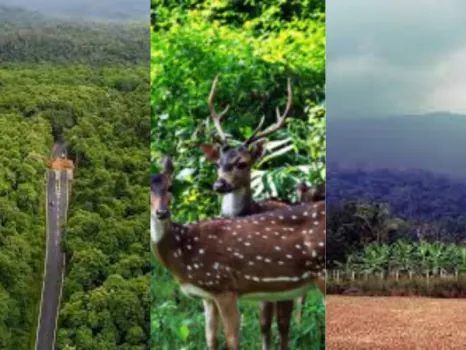
Forests, spotted deer and misty hills of the Western Ghats around Kollur

Natural Beauty of Kollur

Kollur is enveloped by the pristine beauty of the Western Ghats, a UNESCO World Heritage Site known for its biodiversity. The town is surrounded by lush green forests, rolling hills, and sparkling rivers, making it a haven for nature enthusiasts.

The region's flora and fauna are equally remarkable, with several endemic plants, birds, and animal species. The forests around Kollur are part of the Mookambika Wildlife Sanctuary, which offers a glimpse into the rich ecological heritage of the Western Ghats. For eco-tourism enthusiasts, Kollur provides nature walks, birdwatching, and trekking opportunities, allowing visitors to connect with the environment while respecting its sanctity.

Flower-decked chariot during the Rathotsava car festival in Kollur

Festivals Celebrated in Kollur

Festivals are an integral part of Kollur's cultural and spiritual fabric. The Mookambika Temple is the epicentre of grand celebrations, attracting thousands of devotees and tourists alike. Some of the most prominent festivals include:

  • Navaratri: This nine-day festival dedicated to Goddess Durga is the most celebrated event in Kollur. The temple comes alive with elaborate rituals, special pujas, and cultural performances. The goddess is adorned in different forms daily, symbolizing her various aspects.
  • Rathotsava (Car Festival): Held annually, this festival sees a beautifully decorated chariot carrying the idol of Goddess Mookambika through the streets. Devotees throng to pull the chariot, considering it an act of immense piety.
  • Deepavali: The festival of lights is celebrated with great enthusiasm. It features lamp-lighting ceremonies and special prayers to the goddess.

These festivals are spiritual events and cultural showcases highlighting the region's traditions, music, and art forms.

Carved South Indian temple tower

Cultural Influence of Kollur

Kollur's cultural significance extends beyond its spiritual importance. The town is a repository of South Indian traditions, particularly in music, dance, and folklore. Highlights of its cultural impact include:

  • Folk Traditions: Kollur is home to rich storytelling traditions that weave mythological tales of Goddess Mookambika into folk performances. These stories are often enacted during festivals and special temple events.
  • Classical Music: The temple has inspired many Carnatic musicians, who consider performing here a privilege. Special music events during Navaratri feature renowned artists from across India.
  • Dance Forms: Bharatanatyam and other classical dance performances are regularly organized during temple festivals, celebrating the devotion and cultural artistry of the region.

The blend of spirituality and artistic expression makes Kollur a beacon of cultural heritage in Karnataka.

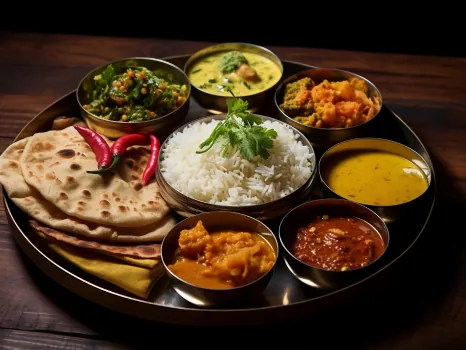
Traditional South Indian thali with rice, curries and flatbread

Local Cuisine of Kollur

The culinary landscape of Kollur is a delightful mix of traditional South Indian flavours and unique temple offerings. Some highlights include:

  • Temple Prasadam: A visit to Kollur is incomplete without savouring the divine prasadam served at the temple. The meal, typically a simple yet delicious spread of rice, sambar, and vegetables, is considered blessed by the goddess.
  • Traditional South Indian Cuisine: Local eateries offer authentic dishes such as dosas, idlis, and uttapams, often served with spicy chutneys and piping hot coffee.
  • Speciality Snacks: Local snacks like banana chips, murukku, and sweet treats like Kesari bath are widely available.

The food in Kollur is not just a treat for the taste buds but also a reflection of the region's cultural and spiritual ethos.

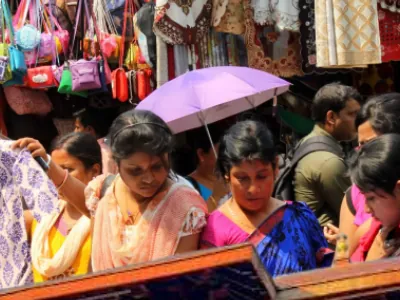
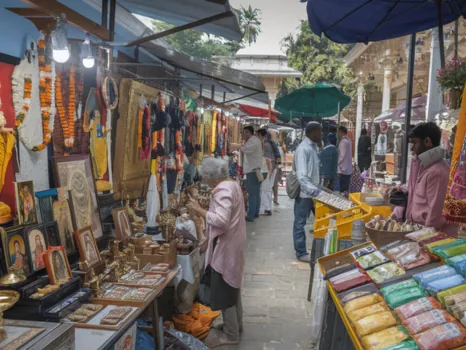
Street market stalls selling pooja items and souvenirs near the temple in Kollur

Shopping in Kollur

Though primarily a spiritual destination, Kollur offers delightful shopping opportunities for pilgrims and tourists. The local markets and shops reflect the town's religious and cultural essence. Here are some highlights:

  • Religious Items: Visitors can purchase idols, framed pictures of Goddess Mookambika, prayer beads, and brass lamps, which make meaningful souvenirs.
  • Handicrafts: Kollur's markets feature locally made items such as wooden carvings, jewellery boxes, and handwoven textiles that showcase the artistic skills of the region's artisans.
  • Temple Offerings: Shops near the temple sell kumkum, sandalwood paste, and sacred ash, often used in daily prayers and rituals.
  • Local Delicacies: Packaged snacks, such as banana chips and Mangalore buns, are popular takeaway items for food lovers.

Shopping in Kollur blends religious sentiment with cultural exploration, giving visitors tangible memories to take home.

Illustration of wildlife protection, reforestation and eco-friendly tourism

Environmental Conservation in Kollur

Kollur's natural beauty is integral to its identity, and efforts are ongoing to protect the region's environment. The town's proximity to the Western Ghats and the Mookambika Wildlife Sanctuary makes it a critical zone for biodiversity conservation. Here are some initiatives and challenges:

  • Eco-Friendly Tourism: Local authorities and organizations promote sustainable tourism practices, encouraging visitors to minimize waste and avoid plastic.
  • Wildlife Protection: The sanctuary is home to several endangered species, including the lion-tailed macaque and Malabar civet. Conservation programs aim to safeguard these animals and their habitats.
  • Reforestation Efforts: Tree-planting campaigns are regularly conducted to combat deforestation and preserve the region's lush greenery.
  • Challenges: Increased footfall during peak pilgrimage seasons poses environmental risks like littering and pollution. Addressing these requires community awareness and stricter regulations.

Visitors are encouraged to be mindful of their environmental impact and support conservation efforts to ensure Kollur remains pristine for future generations.

Travel planner

Plan Your Trip to Kollur

Routes, stays, seasons and practical tips to make your pilgrimage or getaway smooth and comfortable.

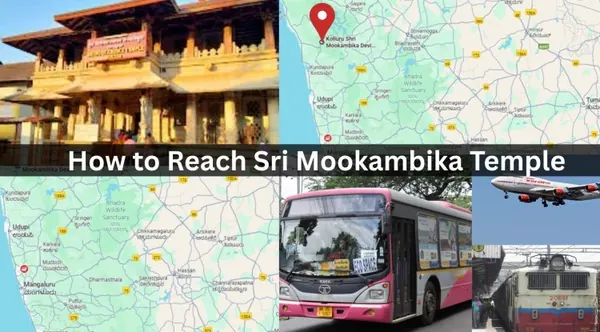
Road, rail and air routes to Kollur

How to Reach Kollur

Reaching Kollur is convenient, thanks to its road, rail, and air connectivity. Depending on your starting point, there are multiple options to travel to this serene town:

  • By Road: Kollur is well-connected by state and private buses from major cities in Karnataka, such as Bengaluru, Mangalore, and Udupi. Visitors can also opt for taxis or drive their vehicles for a scenic journey through the Western Ghats.
  • By Rail: The nearest railway station is Mookambika Road (Byndoor), about 28 kilometres away. Kundapura, about 40 kilometres away, is served by more long-distance trains, making both practical choices for pilgrims and tourists.
  • By Air: The closest airport is Mangalore International Airport, approximately 140 kilometres from Kollur. Visitors can hire taxis or take buses to the town.

Combining these options ensures a hassle-free journey to Kollur, no matter where you're coming from.

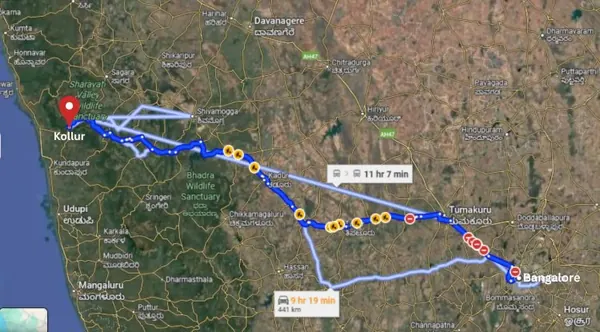
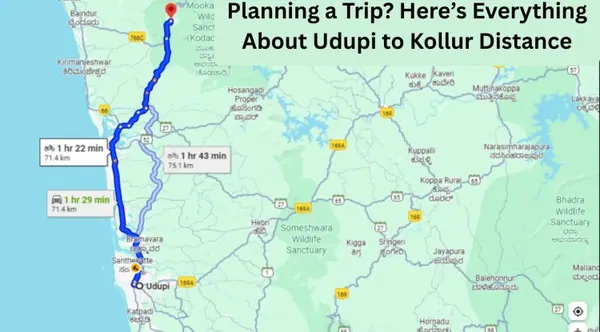
How to reach Sri Mookambika TempleBangalore to KollurUdupi to Kollur distance

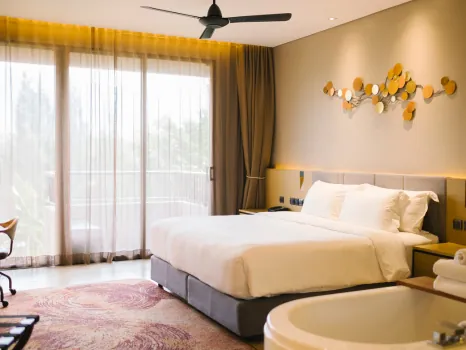
Comfortable hotel room for pilgrims and travellers in Kollur

Accommodation Options in Kollur

Kollur offers a range of accommodation choices to suit every budget and preference. Whether you're a pilgrim looking for basic lodging or a tourist seeking comfort, the town has options to cater to your needs:

  • Budget Lodges and Guesthouses: Affordable and conveniently located near the temple, these are ideal for pilgrims looking for a simple stay.
  • Mid-Range Hotels: These provide comfortable amenities such as air-conditioned rooms, in-house dining, and proximity to the temple.
  • Luxury Stays: For those who prefer a more upscale experience, resorts and boutique hotels slightly away from the town offer tranquil settings and premium services.

Many accommodations also offer special facilities for elderly and disabled pilgrims, ensuring a comfortable stay.

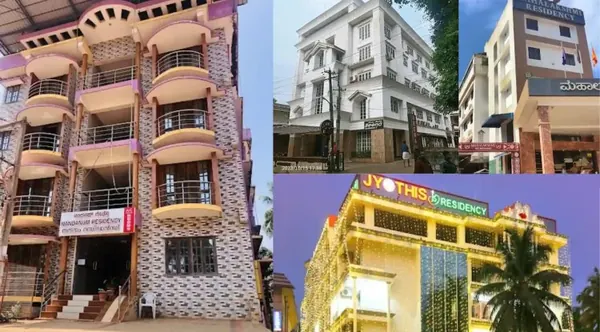
Rooms near Mookambika TempleTop accommodation in KollurBest hotels in Kollur

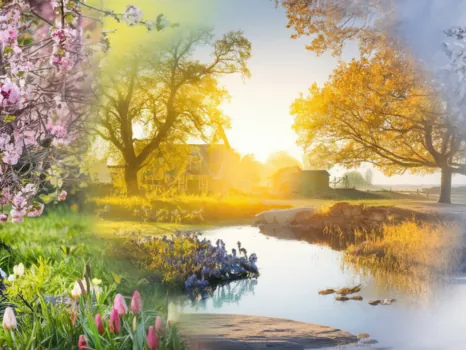
Seasons in Kollur from spring blossoms to golden autumn light

Best Time to Visit Kollur

Timing your visit to Kollur is crucial for the best experience. While the town welcomes visitors year-round, certain seasons offer unique advantages:

  • Winter (October to February): This is the most pleasant time to visit, with cool weather and clear skies. It's ideal for temple visits and exploring nearby attractions.
  • Monsoon (June to September): Though the rains add to the region's lush beauty, heavy rainfall may hinder travel plans. However, the monsoon is a great time for nature enthusiasts to witness the Western Ghats at their greenest.
  • Festive Seasons: Navaratri and Rathotsava are peak times for temple activities, offering a vibrant cultural experience. However, large crowds are also seen during these periods, so plan accordingly.

Knowing the best time to visit can enhance your experience, allowing you to explore Kollur comfortably and meaningfully.

Weather in Kollur, month by month

Travel tips: dress modestly, plan early, respect customs, stay hydrated, carry cash

Essential Travel Tips for Kollur

To ensure a fulfilling visit to Kollur, keep the following tips in mind:

  • Dress Modestly: The temple has a strict dress code. Traditional attire is encouraged, and sleeveless tops or shorts are not permitted.
  • Plan Early: Accommodation fills up quickly during festivals and peak seasons. Booking in advance is highly recommended.
  • Respect Customs: Always follow temple etiquette, such as removing footwear before entering and refraining from photography inside the temple.
  • Stay Hydrated: Carry water bottles, especially when trekking or visiting outdoor attractions like the Kodachadri Hills.
  • Cash Over Cards: While Kollur has ATMs, not all local shops or eateries accept cards, so keep some cash handy.

Following these tips can make your visit smoother and more enjoyable.

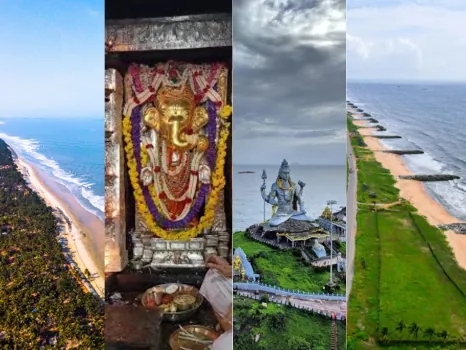
Maravanthe beach, Anegudde Vinayaka and Murudeshwar near Kollur

Nearby Places of Interest

Kollur is surrounded by many attractions that complement its spiritual and natural appeal. These destinations make excellent day trips and enhance the overall experience of visiting Kollur:

  • Udupi: About 80 kilometres from Kollur, Udupi is famous for its Krishna Temple, delicious South Indian cuisine, and serene beaches like Malpe and Kaup.
  • Murudeshwar: Located around 60 kilometres away, Murudeshwar is renowned for its towering statue of Lord Shiva and scenic coastal views. The temple here is perched on a hill, offering panoramic vistas.
  • Maravanthe Beach: Situated approximately 50 kilometres from Kollur, this unique beach is flanked by the Arabian Sea on one side and the Souparnika River on the other, creating a picturesque setting.
  • Anegudde Vinayaka Temple: This temple is dedicated to Lord Ganesha and is a popular stop for pilgrims travelling between Kollur and Udupi.

Exploring these nearby attractions adds variety to your trip, blending spiritual, cultural, and natural experiences.

Best places to visit near Mookambika Temple

Places to visit

Tourist Attractions in and Around Kollur

Kollur is not just a religious destination; it is also surrounded by natural wonders and scenic spots that captivate visitors. Some notable attractions include:

Arasinagundi (Arishna Gundi) waterfall in the forest near Kollur

Arasinagundi Waterfalls

Nestled within the dense forests of the Western Ghats, this picturesque waterfall is accessible via trekking paths and offers a serene escape into nature.

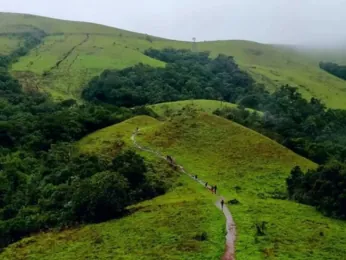
Trekking trail over the green Kodachadri hills

Kodachadri Hills

A popular trekking destination, these hills are not only a treat for adventurers but also hold religious significance, as they are believed to be the meditation site of Goddess Mookambika.

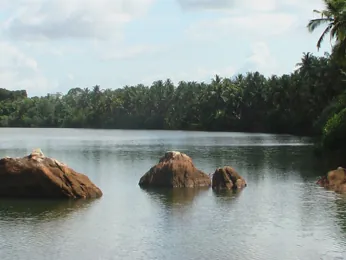
Calm waters of the Souparnika River near Kollur

Souparnika River

This river flows near the temple and is considered sacred. Pilgrims often dip in its waters, believing it cleanses sins and brings spiritual rejuvenation.

More places to visit near Kollur

From the blog

Kollur Travel Guides

In-depth guides on darshan, routes, weather and stays to help you plan every part of your journey.

Best Hotels in Kollur for a Comfortable Stay

Find the best hotels in Kollur. Compare AC/non-AC rooms, vegetarian and non-vegetarian multi-cuisine dining options, prices, and contact information for a comfortable stay.

Browse all guides

Good to know

Frequently Asked Questions About Kollur

Quick answers on temple timings, dress code, travel, food and facilities.

Where is Kollur located?

Kollur is a small town in the Udupi district of Karnataka, India, situated in the foothills of the Western Ghats.

What is Kollur famous for?

Kollur is renowned for the Mookambika Temple, a significant pilgrimage site dedicated to Goddess Mookambika. The temple blends elements of Shakti and Shiva worship.

What is the history of the Mookambika Temple?

The Mookambika Temple is believed to have been sanctified by Sage Adi Shankaracharya, who installed the idol of the goddess. Its origins date back centuries and are rooted in Hindu mythology and regional history.

How can I reach Kollur?

You can reach Kollur by road, rail (the nearest stations are Mookambika Road, Byndoor and Kundapura), or air (the nearest airport is Mangalore International Airport).

What are the temple timings?

The temple is generally open from 5:00 AM to 1:30 PM and 3:00 PM to 9:00 PM. However, timings may vary during special occasions and festivals.

Are there any specific rituals performed at the temple?

Yes, popular rituals include Archana, Abhisheka, and the Kumkumarchana. Devotees often book specific sevas (offerings) based on their preferences.

Is there a dress code for visiting the temple?

Yes, visitors are expected to dress modestly. Traditional attire is preferred, and shorts or sleeveless clothing are not allowed.

What is the best time to visit Kollur?

The best time to visit Kollur is during the winter months (October to February) when there is pleasant weather and festival celebrations.

Can we visit Kollur during Navaratri?

Yes, Navaratri is one of the most celebrated festivals in Kollur. It features grand rituals and cultural programs. However, expect large crowds.

Are there accommodations near the temple?

Yes, Kollur offers a range of accommodations, from budget lodges to mid-range hotels. Many options are located within walking distance of the temple.

Is food available at the temple?

Yes, the temple provides free prasadam meals to devotees during lunchtime, which is simple yet highly regarded.

Are there trekking opportunities near Kollur?

The Kodachadri Hills, located near Kollur, are a popular trekking destination with scenic views and spiritual significance.

What are the nearby tourist attractions?

Nearby attractions include Kodachadri Hills, Arasinagundi Waterfalls, Souparnika River, Murudeshwar, and Maravanthe Beach.

Is the Souparnika River sacred?

Yes, the Souparnika River is considered holy and is believed to have cleansing and rejuvenating properties. Many devotees take a dip before visiting the temple.

What is the significance of the Jyotirlinga in the temple?

The Jyotirlinga in the Mookambika Temple symbolizes the union of Shiva and Shakti, making it a powerful representation of divine energy.

Are there facilities for elderly pilgrims?

Yes, the temple and many accommodations provide ramps, wheelchairs, and assistance for elderly and disabled pilgrims.

What are the must-try local foods in Kollur?

Local delicacies include temple prasadam, South Indian dosa, idli, sambar, banana chips, and Mangalore buns.

Can children participate in temple rituals?

Yes, children are welcome and can participate in rituals like Kumkumarchana and other family-friendly ceremonies.

Are photography and videography allowed in the temple?

No, photography and videography are not permitted inside the temple premises as a mark of respect for its sanctity.

Is there a parking facility near the temple?

Kollur has designated parking areas near the temple for cars, buses, and two-wheelers.

Is Kollur suitable for a one-day trip?

While you can visit Kollur in a day, staying overnight lets you experience the temple rituals and nearby attractions at a relaxed pace.

What are the temple's main festivals?

Key festivals include Navaratri, Rathotsava (Car Festival), Deepavali, and special Abhisheka ceremonies.

Are there any unique offerings for students?

Yes, parents often pray for their children's academic success, and rituals like Vidya Pooja are popular.

Are there guided tours available?

While guided tours are not formally organized, local guides and temple staff often assist visitors with information about the temple and its history.

Is it safe for solo travellers to visit Kollur?

Yes, Kollur is a safe destination for solo travellers. However, taking standard safety precautions is advisable.

What are the local languages spoken in Kollur?

Kannada, Tulu, and Konkani are widely spoken, but temple staff and locals often understand and speak basic English and Hindi.

Can I perform private rituals at the temple?

Yes, you can book private sevas (offerings) and rituals in advance through the temple office or online.

Is there mobile network connectivity in Kollur?

Most major mobile networks provide good connectivity in Kollur, though signal strength may vary in the surrounding forest areas.

What is the environmental significance of Kollur?

Kollur is surrounded by the Mookambika Wildlife Sanctuary and Western Ghats, which are known for their biodiversity and conservation efforts.

How can I contribute to temple activities?

Devotees can contribute through donations, volunteering during festivals, or supporting temple maintenance initiatives. Details are available at the temple office.